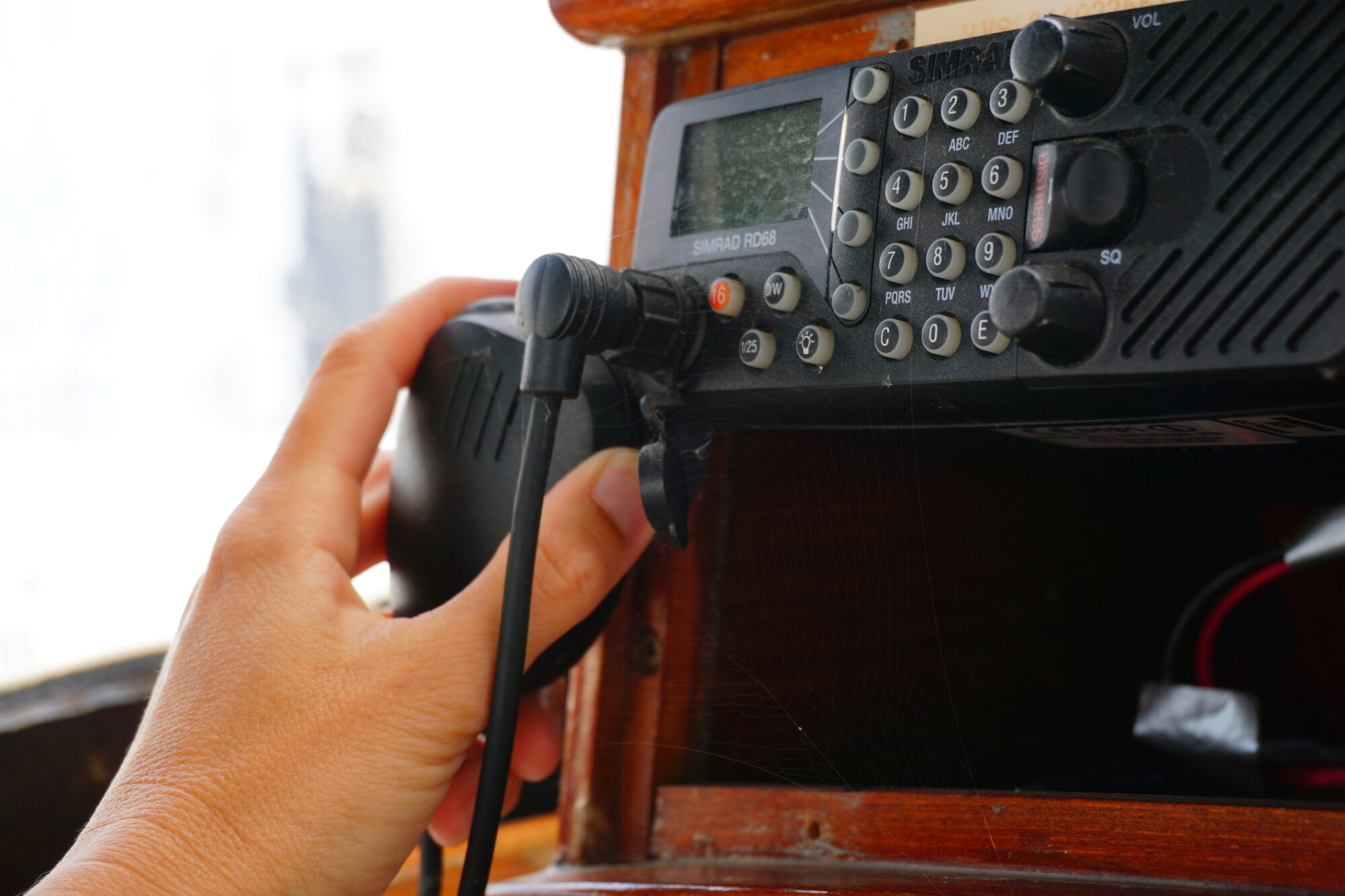
Welcome to our latest discussion on mastering communication at sea with a focus on VHF radio tips. Whether you’re a seasoned sailor or a novice boater, understanding how to effectively use a VHF radio is crucial for safety, navigation, and staying connected while out on the water. This powerful tool can be a lifeline in emergencies and a means to coordinate with other vessels or marinas, but only if used correctly.
In this post, we’ll dive into essential tips to ensure you’re making the most of your VHF radio, from proper channel usage to etiquette and troubleshooting common issues. We’ll break down the basics of operation, highlight key protocols to follow, and share practical advice to keep your communications clear and effective. Stick with us as we navigate the ins and outs of VHF radio use to help you stay safe and confident on your next aquatic adventure.
Essential VHF Radio Tips for Boaters
- Always keep your VHF radio on and monitor Channel 16 (distress and calling) when not actively communicating.
- Use Channel 9 or 16 for initial hailing, then immediately switch to a working channel (e.g., 68, 69, 71, 72) for conversations to avoid clogging emergency channels.
- For nearby contacts, switch to low power (1 watt) to reduce interference with distant vessels.
- Perform radio checks on Channel 9 or a working channel—never on Channel 16.
- Speak clearly and calmly, holding the microphone about 1 inch from your mouth; avoid shouting to prevent distortion.
- In an emergency, use “Mayday” only for life-threatening situations; provide your position, nature of distress, and vessel details.
- Keep transmissions brief and professional—VHF is for safety and operational use, not casual chit-chat.
- Familiarize yourself with NOAA weather channels for forecasts and alerts.
- If equipped with DSC, register for an MMSI number for automated distress calling.